Look Out Across Naples
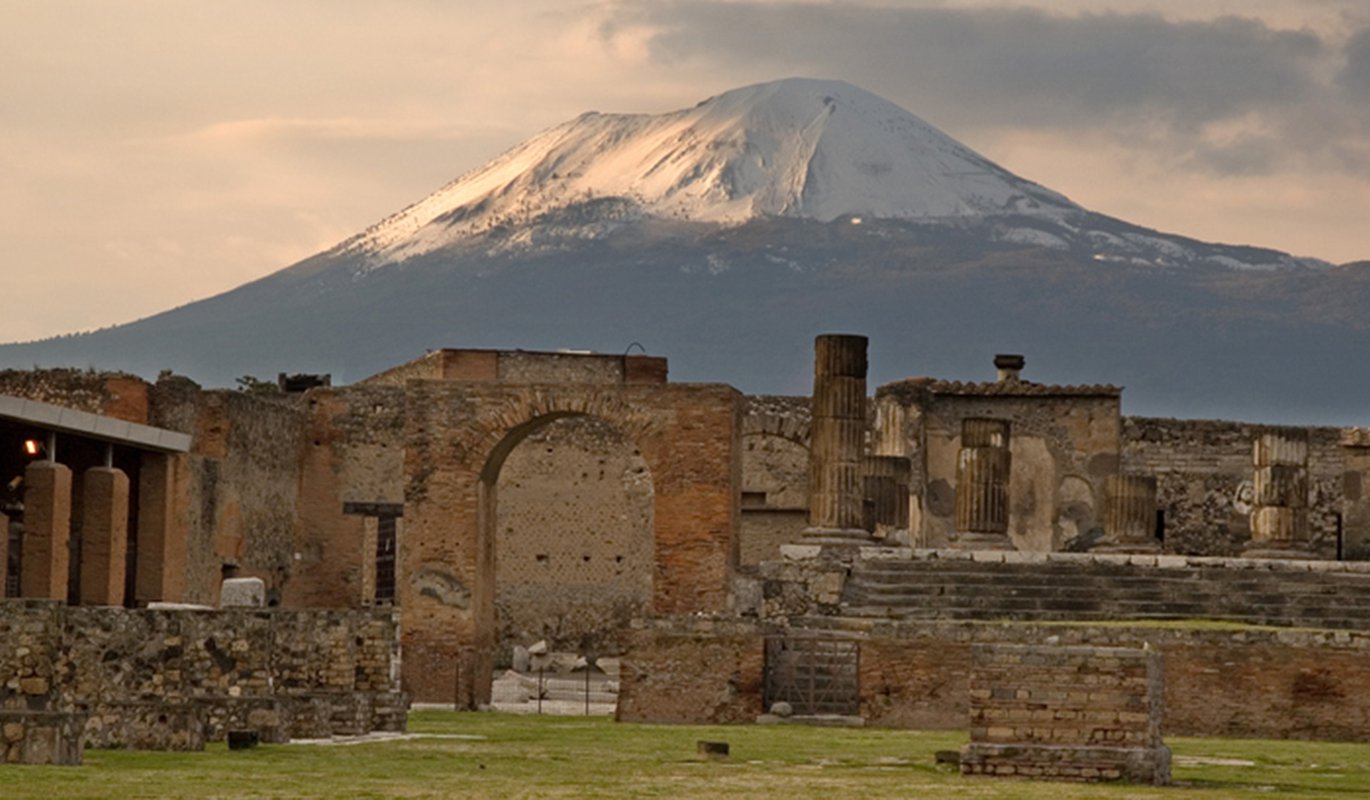
The city below, known as Neapolis, was founded in the 6th century BC by Greek settlers, and became a link between Greek and Roman civilizations. It was celebrated for its theaters, art, and philosophy, which flourished under the shadow of Vesuvius, whose looming presence inspired both admiration and anxiety.
Interestingly, the eruption came in two parts.
The first stage of eruption featured a blast that sent pumice stones thousands of feet into the air. These stones then fell like rain upon the surrounding towns, steadily burying them for roughly 5 hours. As the rocks continued to fall, they grew in size, and for the next few hours, they caused buildings and structures to collapse.
The second stage of the eruption occurred about 17 hours later when a ferocious pyroclastic flow poured from the volcano, covering Pompeii and Herculaneum in a thick layer of smouldering debris in a matter of minutes. The dust over the towns and cities began to settle after a day of relentless volcanic bombardment.

Ash's Fun Fact!
The last eruption, in March 1944, caused significant damage to surrounding villages and destroyed a number of B-25 bomber planes stationed at a nearby allied airfield. Ash clouds even reached up to 20 000 feet!